

What Are Drug Delivery Devices? Insights from China Manufacturers
When it comes to understanding what drug delivery devices are, I know that it’s essential to grasp their significance in the healthcare industry. These devices are designed to deliver medications effectively, ensuring optimal therapeutic outcomes. As a leading manufacturer in China, we focus on creating innovative solutions tailored to meet the unique needs of healthcare providers and patients alike. With our state-of-the-art technology and commitment to quality, our devices ensure precise drug dosing and improved patient compliance. Whether it's for chronic diseases or acute treatments, we offer a variety of drug delivery systems that enhance the overall treatment experience. I can assure you that our products comply with global standards and are competitively priced. Choosing us means partnering with a manufacturer that values reliability and excellence in every aspect of production. Let’s work together to enhance patient care through innovative drug delivery solutions!

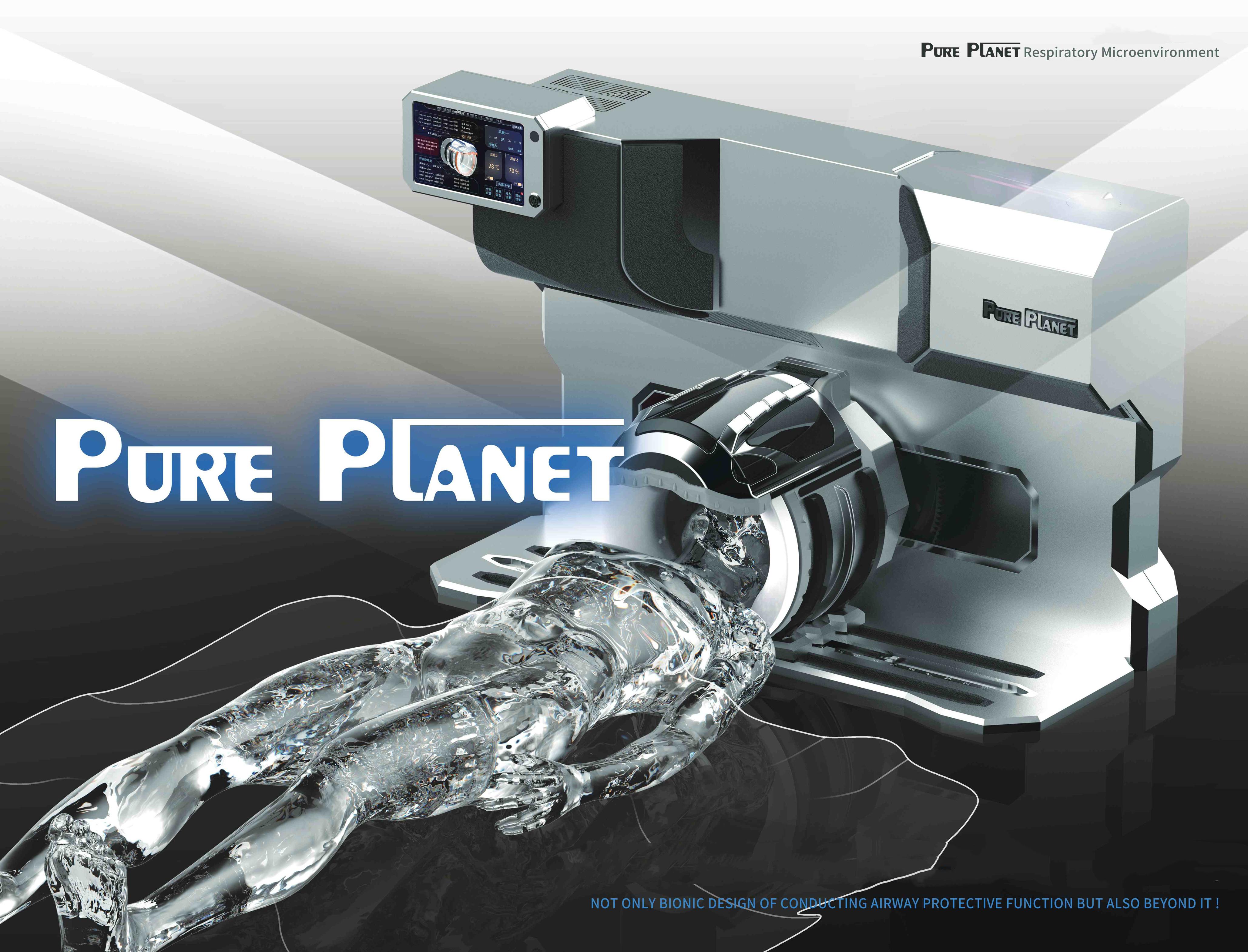

What Are Drug Delivery Devices in 2025 Industry Giant
As we approach 2025, the drug delivery devices industry is poised for significant transformation, driven by advancements in technology and a heightened focus on patient-centric solutions. Drug delivery devices encompass a wide array of products designed to administer therapeutic substances effectively and safely, including injectors, inhalers, transdermal patches, and infusion systems. These innovations are aimed at enhancing the efficacy of treatments while improving the overall patient experience. The primary trend shaping the industry is the integration of smart technology into drug delivery devices. Innovations such as connected devices equipped with sensors and real-time monitoring capabilities are emerging, allowing healthcare providers to track medication adherence and adjust dosages tailored to individual needs. Furthermore, the demand for personalized medicine is driving research into specialized delivery systems that cater to distinct patient demographics and conditions, such as pediatrics and geriatrics. With a growing emphasis on minimally invasive procedures and the shift towards home healthcare, manufacturers are exploring ways to streamline production processes and enhance the efficiency of their supply chains. Collaborations with technology firms and research organizations are becoming increasingly vital as companies aim to foster innovation and stay competitive in a rapidly evolving market. By embracing these trends, stakeholders in the drug delivery devices industry can position themselves to meet the challenges and opportunities that lie ahead in the global healthcare landscape.
What Are Drug Delivery Devices in 2025 Industry Giant
| Device Type | Description | Market Share (%) | Growth Rate (%) | Key Features |
|---|---|---|---|---|
| Smart Inhalers | Devices that help patients manage asthma and COPD. | 25% | 12% | Bluetooth connectivity, real-time tracking. |
| Wearable Pumps | Automated systems for delivering medications. | 20% | 15% | Dose automation, skin-friendly materials. |
| Smart Injection Devices | Devices for self-administering biologics. | 30% | 10% | User-friendly interfaces, real-time feedback. |
| Transdermal Patches | Patches delivering medication through the skin. | 15% | 8% | Long-lasting effects, painless application. |
| Micro-needles | Minimally invasive devices for drug delivery. | 10% | 18% | Painless, suitable for various substances. |
Related Products
What Are Drug Delivery Devices Winning in 2025 From Concept to Delivery
Top Selling Products
- Related Blog
- Reviews
